Designing your outdoor space is a significant investment, both financially and emotionally. Whether you are considering a complete overhaul of your front yard landscaping or simply looking to enhance your backyard with custom residential landscaping, having a clear conversation with your landscape designer is essential. This interaction can set the tone for the entire project, ensuring that your vision aligns with professional expertise.
Before you engage in this dialogue, it’s beneficial to prepare a checklist of topics to discuss. The depth of these discussions will not only clarify your desires but also help the designer provide tailored solutions that suit your needs and preferences. Here are the key considerations when consulting with your landscape designer.
Define Your Vision
Start by articulating what you want from your residential outdoor spaces. Is it a serene garden retreat, an entertaining area, or perhaps a modern residential landscaping design? Consider what moods and atmospheres appeal to you. Collect images from magazines or online platforms like Pinterest that reflect styles you admire. Discussing these visuals helps convey your aesthetic preferences effectively.
It’s also important to consider functionality alongside design. For instance, if you have children or pets, incorporating safe play areas might be crucial. Alternatively, if you enjoy hosting gatherings, think about how elements like patios or outdoor kitchens could enhance that experience.
Establish Your Budget
Budget discussions can sometimes feel uncomfortable, but they are vital for setting realistic expectations. Be upfront about what you're willing to invest in your home landscape design project. This figure should encompass not just installation costs but also ongoing maintenance and potential future upgrades.
Landscape designers can work within various budget ranges—some may offer basic packages while others specialize in high-end installations with unique features such as residential hardscaping options. Having a clear budget allows the designer to propose solutions that fit within your financial parameters without compromising on quality.
Understand Site Conditions
Every property comes with its own set of challenges and advantages dictated by site conditions. Discuss any known issues such as poor drainage, sunlight exposure, or existing vegetation that may impact the design process.
If possible, provide information about soil types and drainage patterns on your property; this data is crucial for determining plant health and hardscape durability. An experienced designer will likely conduct their own assessment but being informed about these factors can facilitate more productive conversations.
Discuss Plant Selection
Choosing plants is one of the most exciting parts of landscape design but can also be overwhelming due to the vast selection available today. Talk through what types of plants resonate with you—consider whether you prefer native species for sustainability or exotic varieties for visual interest.
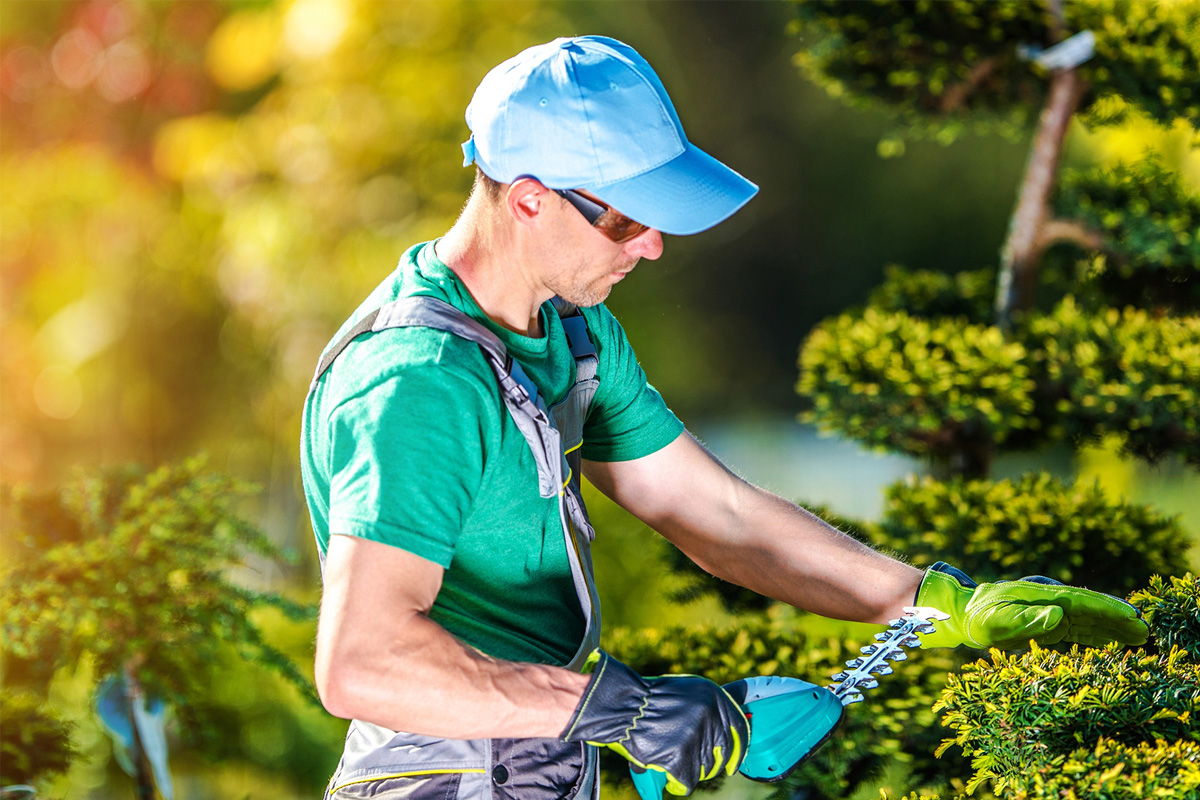
Think about how much time you’re willing to dedicate to maintenance as well. Low-maintenance landscaping might appeal if you're busy or prefer more sustainable choices; conversely, if gardening is a hobby for you, then vibrant flower beds might take precedence.
The discussion should also cover seasonal interests—plants that bloom at different times throughout the year can keep your yard lively in all seasons.
Plan for Hardscaping Elements
Hardscaping refers to non-plant elements in landscaping such as patios, walkways, retaining walls, and decorative features like fountains or fire pits. These components not only add functional space but also create visual interest in residential landscaping designs.
Discuss which hardscaping elements appeal to you and how they integrate into your overall vision. A well-designed patio can serve as an ideal spot for family gatherings while pathways can enhance accessibility throughout large yards.
Consider materials too; natural stone provides a rustic appearance while concrete offers durability at potentially lower costs. Be sure to ask about maintenance requirements associated with various materials during this conversation as well.
Explore Sustainability Options
Sustainability has become an integral part of modern landscaping practices; many homeowners now seek eco-friendly solutions that reduce water consumption and support local ecosystems. Engage in discussions around options such as xeriscaping—landscaping designed specifically for arid climates—or rain gardens that allow for effective stormwater management.
Inquire about native plant selections as they require less water and maintenance compared to non-native varieties while providing necessary habitats for local wildlife. Many designers are knowledgeable Click here about sustainable practices so don’t hesitate to ask how they incorporate these principles into their designs.
Maintenance Plans
Once the installation phase concludes, maintaining the beauty of your landscape becomes essential. A thorough discussion regarding ongoing landscape maintenance options should occur during consultations; this includes lawn care strategies like mowing schedules and fertilization plans as well as upkeep for plants and hardscapes alike.
Decide whether you'd prefer a professional service handling maintenance or if DIY tasks suit your lifestyle better. Knowing what is involved will help prevent surprises down the road regarding time commitment and costs associated with keeping everything pristine over time.
Final Thoughts
Landscaping is an art form intertwined with practical considerations; every decision influences not only aesthetics but functionality too. By addressing these key topics during consultations with your landscape designer, you'll pave the way toward realizing an outdoor space that reflects who you are while enhancing property value.
Approaching this creative journey prepared sets up mutual understanding between client and designer—a partnership built on trust that ultimately results in stunning landscapes tailored specifically for each homeowner's needs and dreams.